Irish Legends Unleashed: Blood-Drinking Kings and the Real St. Patrick
Explore the chilling lore behind the Emerald Isle. This deep dive uncovers the Irish origin of Dracula, the pagan roots of Samhain, and the high-seas rebellion of Grace O’Malley. Perfect for history buffs and mystery seekers looking to see beyond the St. Patrick's Day myths.
The Shadows of the Emerald Isle: Legends and Dark Histories of the Irish
While Ireland is often associated with the vibrant celebrations of St. Patrick’s Day, the true history of the "Emerald Isle" is steeped in an atmosphere of ancient mystery and chilling lore. From scientific leviathans to blood-drinking chieftains, the Irish legacy is built on stories that blur the line between reality and the supernatural.
The Blood-Drinking Origin of Dracula
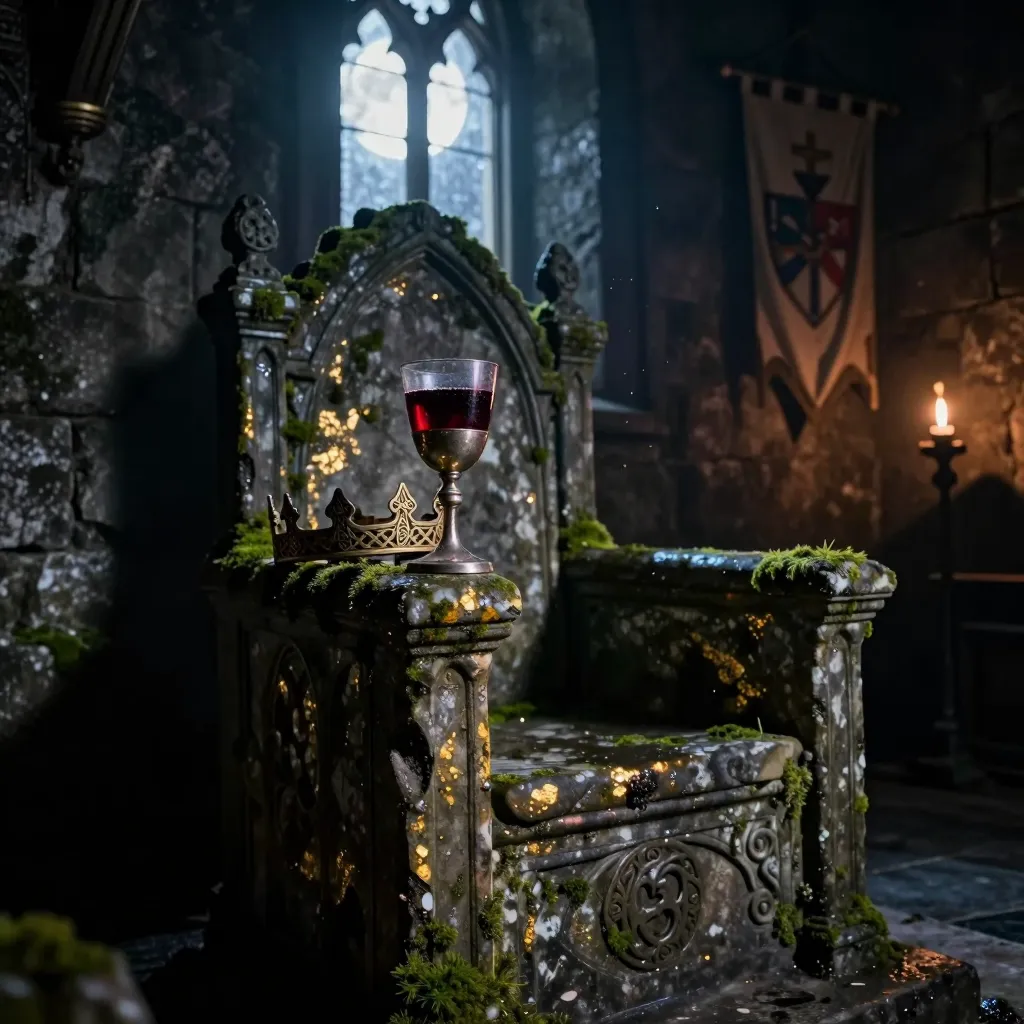
[cite_start]While literary history often credits Vlad the Impaler as the inspiration for Bram Stoker’s Dracula, a darker, local legend may hold the true key[cite: 17, 18]. [cite_start]Stoker, born and raised in Dublin, had never traveled to Eastern Europe[cite: 19]. [cite_start]Instead, he may have drawn from the terrifying Irish legend of Abhartach, a wizard and chieftain known for rising from the dead to drink the blood of his subjects[cite: 21]. [cite_start]In Irish folklore, the term Droch-fhuil (pronounced similar to Dracula) translates to "bad blood," suggesting that the world’s most famous vampire has roots buried deep in Irish soil rather than Transylvania[cite: 22].
Samhain: When the Veil Thins
[cite_start]The modern festivities of Halloween find their dark origins in the ancient Celtic festival of Samhain[cite: 23]. [cite_start]The Celts believed that on this night, the boundary between our world and the spirit realm became porous, allowing ghosts and supernatural entities to cross over[cite: 24, 26]. [cite_start]Despite later Christian efforts to rebrand the holiday as All Saints Day, the core rituals—symbolizing a connection to the dead and the unknown—remain tethered to these ancient, pagan roots[cite: 25].
The Leviathan of Birr
[cite_start]In the 1800s, the Earls of Rosse turned Birr Castle into a hub of scientific obsession[cite: 13]. [cite_start]Within these walls, they constructed the Leviathan, a massive reflecting telescope with a 72-inch diameter[cite: 15, 16]. [cite_start]For nearly a century, it was the largest telescope on Earth, a giant eye peering into the deep darkness of the cosmos from the Irish countryside[cite: 14]. [cite_start]This era of Irish history saw a unique marriage of gothic castle life and cutting-edge engineering[cite: 13].
The Fearless Pirate Queen
[cite_start]Irish history is also home to thrilling tales of rebellion, none more striking than that of Grace O’Malley[cite: 45]. [cite_start]Known as the Pirate Queen, O’Malley was a master strategist and a ruthless leader who commanded a fleet of ships[cite: 46, 47]. [cite_start]Legend recounts her indomitable spirit: she is said to have given birth to a child at sea and, within twenty-four hours, returned to the deck of her ship to lead a fierce battle against her enemies[cite: 48].
The Saint Who Wasn't Irish
Perhaps the most enduring mystery of Ireland involves its patron saint. Contrary to popular belief, St. [cite_start]Patrick was not Irish[cite: 54]. [cite_start]Born to Roman parents in Britain, he was allegedly kidnapped and brought to Ireland as a slave[cite: 55, 56]. [cite_start]Even more intriguing is a study from Cambridge University suggesting a darker possibility: Patrick may have fled to Ireland of his own volition to escape a Roman career as a tax collector, potentially even engaging in the slave trade himself to maintain his freedom[cite: 57].
[cite_start]Furthermore, the famous tale of Patrick banishing snakes from Ireland is purely symbolic[cite: 36]. [cite_start]Scientific evidence confirms that Ireland has been snake-free since the Ice Age, millions of years before humans—or saints—arrived on its shores[cite: 38, 40].
The Voyage of St. Brendan
Centuries before the Vikings or Columbus set foot in the Americas, Irish legend tells of St. [cite_start]Brendan, a monk who embarked on a seven-year odyssey into the Atlantic[cite: 49, 50]. [cite_start]Seeking a promised land, Brendan and his followers reportedly discovered a vast island so large they could not reach its far shore even after forty days of travel[cite: 51]. [cite_start]While this 6th-century voyage remains unproven by modern archeology, it persists as one of the great "what ifs" of maritime history[cite: 52].