The Enigma of Saint Patrick: Prophetic Visions and the War Against Druid Magic
St. Patrick’s true story is a dark tale of piracy and prophetic visions. This exploration reveals how he used psychological strategy and 'Pagan-Christian Fusion' to dismantle the Druidic order, forever altering Ireland’s mystical landscape and silencing its ancient ritualistic whispers.
The Enigma of Saint Patrick: Apostle or Occult Architect?
Every year on March 17th, the world dons emerald green to celebrate the Feast of Saint Patrick. While modern festivities often lean into the jovial spirit of Irish culture, the true history of Ireland’s patron saint is a dark, atmospheric tale of piracy, prophetic visions, and a spiritual war against the ancient Druidic order.
From Roman Slave to Mystical Fugitive
Before he was a saint, Patrick was Maewyn Succat, a teenager living in the relative comfort of Roman Britannia. In 385 AD, his life was shattered when Irish raiders tore him from his home. Sold into slavery to a chieftain named Miliue of Antrim, Patrick spent six grueling years herding livestock in the desolate, frozen hills of Ireland.
In his memoir, the Confessio, Patrick describes this period as a spiritual refining fire. Isolated and desperate, he claimed to experience a series of divine communications. One vision directed him to flee toward the coast, where a phantom ship reportedly waited to carry him across 185 miles of wilderness. He escaped, but the spirits of Ireland would not let him rest. A second vision—a man named Victoricus carrying the "Voice of the Irish"—begged him to return to the "wood of Foclut" and walk among the people once more.
The Great Synthesis: Merging Cross and Clover
When Patrick returned to Ireland in 433 AD, he faced an island dominated by the Druids, the powerful caste of priests, judges, and lore-keepers who steered the Celtic soul. His arrival at Slane was met with hostility; he was imprisoned and faced numerous assassination attempts, leading him to carry a dagger for protection.
Patrick’s eventual success was not born of military conquest, but of a masterful, almost supernatural, psychological strategy. Using his intimate knowledge of Irish paganism, he engaged in a "Pagan-Christian Fusion":
- Sacred Numerology: He utilized the shamrock to explain the Holy Trinity, tapping into the deep-seated Irish reverence for the number three—a number already sacred to the Celts through their triple deities and the ancient Triskelion (triple spiral) found on Neolithic monuments.
- Temporal Shifts: He strategically aligned Christian feast days with existing pagan festivals, effectively "masking" the new religion in the clothing of the old.
- The Solar Cross: By superimposing the sun (a central pagan symbol) onto the Christian cross, he created what we now recognize as the Celtic Cross.
The Annals of the Kingdom of Ireland suggest that Patrick "engrafted" the new faith onto ancient superstitions so skillfully that many converts barely realized they were transitioning between belief systems.
The Allegory of the Serpent
The most enduring legend of Saint Patrick is his supposed banishment of snakes from the Emerald Isle. Folklore claims he drove the serpents into the sea after they harassed him during a 40-day fast atop a mountain.
Scientifically, Ireland has been snake-free since the last glacial period, as the surrounding frigid waters served as a natural barrier. In the context of Strange Phenomena and dark history, the "snakes" are widely understood as an allegory for the Druids and Paganism. To "drive out the snakes" was to purge the ancient, serpent-like wisdom of the old world to make room for the new order.
A Divisive Legacy
Saint Patrick died on March 17, though the exact year remains a mystery (ranging from 461 to 493 AD). While he is credited with saving Western literacy by establishing monasteries that preserved ancient texts during the fall of Rome, his victory came at a heavy cost to history.
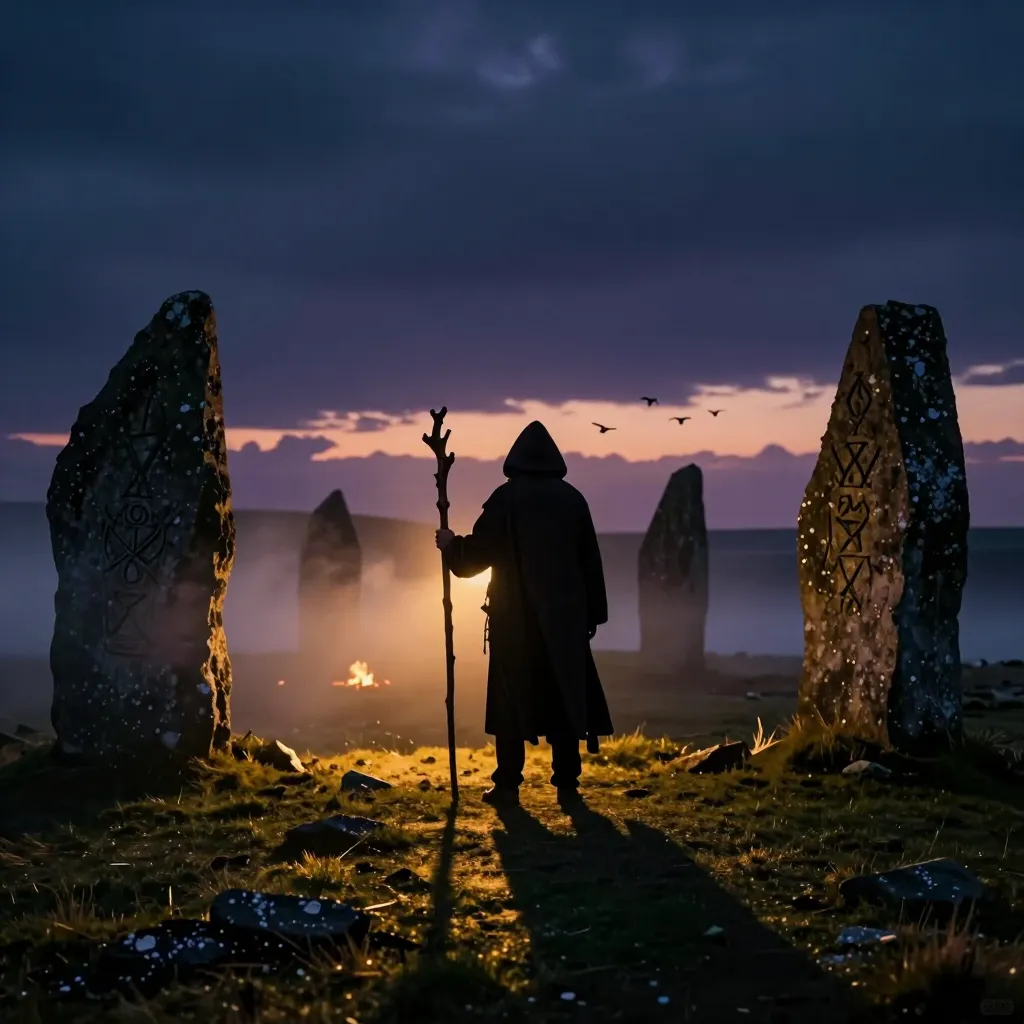
The rise of Patrick’s church led to the abandonment of thousands of years of indigenous ritual. Magnificent megalithic sites and stone circles, once the heartbeat of Irish spirituality, fell into ruin and silence. For some, Patrick remains a hero of enlightenment; for others, he is the man who silenced the ancient whispers of the Druids, forever altering the mystical landscape of Ireland.