Masked Intruder Returned as Hero: Morgan Metzer's Twisted Nightmare
On New Year's 2021, a masked intruder savagely assaulted Morgan Metzer in her Georgia home, whispering she'd miss her husband before fleeing. Her ex Rodney 'discovered' her and called 911, but evidence revealed he was the attacker, using voice distorter and zip ties bought nearby. After faking cancer to manipulate her post-divorce, he pleaded guilty to kidnapping and assault, getting 25 years.
The Masked Intruder Who Returned as a Hero: Inside the Twisted Case of Rodney and Morgan Metzer
A New Year's Nightmare in Canton, Georgia
The first minutes of 2021 nearly ended Morgan Metzer's life. In the quiet hours after midnight on January 1st, a masked figure slipped into her Canton, Georgia home while her young children were away visiting family. What followed was a calculated assault that would shatter her sense of safety—and reveal a deception so calculated it seemed torn from the pages of psychological thriller fiction.
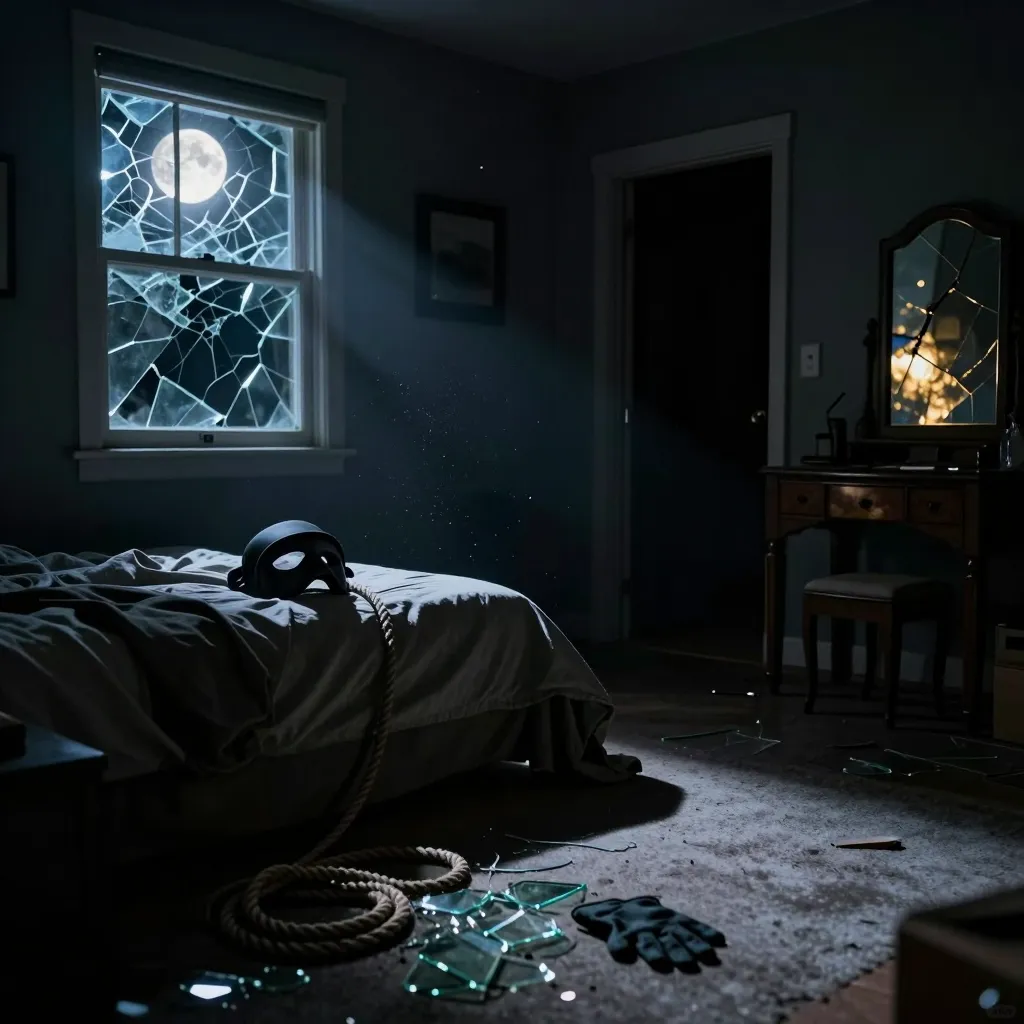
The intruder, disguised in all black and speaking through a voice distorter that Morgan later described as sounding like Batman, entered her bedroom armed with a handgun. He struck her with the weapon's butt, attempted to strangle her twice, and bound her hands behind her back with zip ties. During the prolonged attack, he sexually assaulted her and issued chilling instructions: she was to lie face-down on her back porch, naked and blindfolded with a pillowcase, and not move until she heard two car horns.
But perhaps the most disturbing moment came when her attacker whispered: "You're going to miss your husband."
The "Rescue"
For forty minutes, Morgan lay motionless on her porch, convinced that any movement would trigger her execution. Then, as if answering some unspoken prayer, a familiar voice broke through the darkness.
Rodney Metzer—her ex-husband—appeared on her back deck, discovering the horrific scene and immediately calling for emergency assistance. His voice, filled with shock and concern, seemed to Morgan like salvation itself. "Oh baby, what happened? What happened?" he repeated, according to recordings later reviewed by investigators.
Rodney told deputies a curious story: he had been preparing for bed when someone knocked on his window, apparently speaking Morgan's name. Concerned for her safety, he had rushed to her home, found the back door open, and discovered his ex-wife in her terrified state.
At first, the narrative seemed to hold. Rodney played the role of concerned ex-husband perfectly, staying by Morgan's side as law enforcement arrived, comforting her as she pleaded "Please don't leave, Rod" in the background of the 911 call.
The Cracks Begin to Show
But investigators quickly noted inconsistencies that didn't align with a random home invasion. The precision of the attack, the specific threat about Morgan's husband, and Rodney's convenient arrival all suggested something far more sinister than a burglary gone wrong.
When separated from her ex-husband, Morgan confessed her darkest suspicion to investigators. The attacker's comment about her husband had triggered something in her memory—a recognition that went beyond fear. During the assault, when she had instinctively defended Rodney, begging "No, don't hurt my husband. I love him very much," the atmosphere in the room had shifted. She had survived, she realized, because she had inadvertently played into her attacker's fantasy.
The evidence that emerged painted a devastating picture of premeditation. Investigators discovered zip ties identical to those used on Morgan in Rodney's apartment. Surveillance footage captured him purchasing supplies at a local home improvement store. A handgun was recovered from his vehicle. Most damning of all, apartment surveillance showed Rodney returning home shortly after the attack, changing his clothes completely, and then departing again—this time to "rescue" his ex-wife.
Digital forensics revealed searches on his devices that read like a criminal blueprint: "how to change the sound of your voice" and "how long it takes to choke someone unconscious."
The Manipulation Behind the Mask
To understand the depth of Rodney Metzer's deception, one must examine the weeks preceding the attack. Following their 2020 divorce, Rodney had launched a calculated campaign to regain Morgan's sympathy. His most disturbing tactic: falsely claiming he was dying of pancreatic cancer.
The ploy initially worked. Moved by what she believed was a terminal diagnosis, Morgan allowed Rodney to stay on her couch, offering comfort to the man who had once been her husband. They had married in 2009 after a whirlwind romance that began when Morgan was just fourteen—what she would later describe to investigators as "love at first sight" that was "scary how fast it was."
Their marriage had endured unimaginable tragedies: Rodney's younger brother Kevin died of leukemia, and their first child, named in his honor, succumbed to a congenital heart defect weeks after birth. The couple later welcomed twins, but Rodney struggled to maintain steady employment, and Morgan later revealed that he became increasingly abusive—physically, mentally, and sexually.
By December 31, 2020, Morgan had seen through the cancer ruse and asked Rodney to seek support from other family members rather than continuing to stay with her. That rejection, prosecutors believe, triggered the elaborate attack scheme.
A Pattern of Control
Morgan's account of their marriage reveals a textbook pattern of coercive control. Rodney allegedly manipulated situations to always cast Morgan as the aggressor—even once claiming to their children that she had thrown him down stairs after he had apparently rolled down himself. He isolated her, undermined her reality, and maintained a facade of victimhood that kept her emotionally tethered to him even after their legal separation.
The New Year's attack represented the logical, terrifying extension of this control. By creating a scenario where Morgan was utterly vulnerable—bound, assaulted, and terrified—Rodney manufactured a situation where only he could be her savior. The psychological architecture of the crime suggested something even darker: prosecutors believed Rodney may have initially planned to kill Morgan and then himself, but when he couldn't follow through with murder, he pivoted to the "rescue" narrative.
"This man is a master manipulator," Assistant District Attorney Rachel Ashe stated publicly. "When [the cancer ploy] didn't work, he created a convoluted plan... Fortunately, Sheriff's Office investigators saw through this scheme and quickly arrested the defendant."
Justice and Aftermath
In August 2021, Rodney Metzer pleaded guilty to fourteen charges including kidnapping, home invasion, armed robbery, aggravated assault, aggravated battery, and false imprisonment. The plea deal secured a 25-year prison sentence with an additional 45 years of probation.
During sentencing, Morgan delivered a victim impact statement that acknowledged both her survival and her transformation. Addressing the man who had been both her attacker and the love of her life, she spoke of the "monster" she had lived with during their final years of marriage, but also of the unexpected gift of her freedom.
"The last four years being married to you was like living with a monster that constantly tried to break me down and fence me in," she stated. "It was a blessing in disguise... I can now walk with the confidence knowing the pain you have given me is turned into power."
Rodney Metzer currently serves his sentence at Baldwin State Prison in Georgia.
The Morgan Metzer Story in Popular Culture
The extraordinary layers of deception in this case—cancer fraud, masked assault, and staged heroism—have made it a natural subject for true crime adaptation. The Lifetime film Gaslit By My Husband: The Morgan Metzer Story brings the case to wider audiences, streaming on Netflix and introducing viewers to the terrifying reality that sometimes the most dangerous monsters wear the masks of saviors.
The case resonates deeply within true crime discourse because it illustrates a particularly insidious form of intimate partner violence: the perpetrator who creates crises specifically to resolve them, thereby cementing emotional dependency. Unlike cases of simple physical abuse, Rodney's scheme involved psychological architecture so elaborate that it nearly succeeded in making Morgan more dependent on him than ever before.
Lessons in the Shadows
The Metzer case offers several sobering insights for understanding coercive control and intimate partner violence. First, it demonstrates how abusers can escalate their tactics even after legal separation, using the period of vulnerability that often follows divorce. Second, it reveals the lengths to which manipulators will go to maintain emotional dominance, including self-harm narratives and elaborate victimhood performances.
Most importantly, Morgan's story illustrates the power of trusting one's instincts even in the most disorienting circumstances. Her survival during the attack came from an intuitive response—defending her ex-husband's life—that she couldn't fully explain even to herself. That instinct, born from years of reading Rodney's emotional cues, ultimately saved her life.
For those fascinated by the dark intersections of psychology and crime, the Metzer case stands as a chilling reminder that sometimes the most dangerous threats don't come from strangers in the night, but from the ghosts of relationships we thought we'd escaped.