Why Ghost Stories Haunt English Christmas but Vanish in America
Uncover the strange phenomenon of why England embraces ghost stories during Christmas while America reserves the supernatural for Halloween. From Dickens's A Christmas Carol to ancient winter folklore, explore the cultural and religious roots behind this haunting divide.
The Yuletide Shadow: Why Christmas is Haunted in England
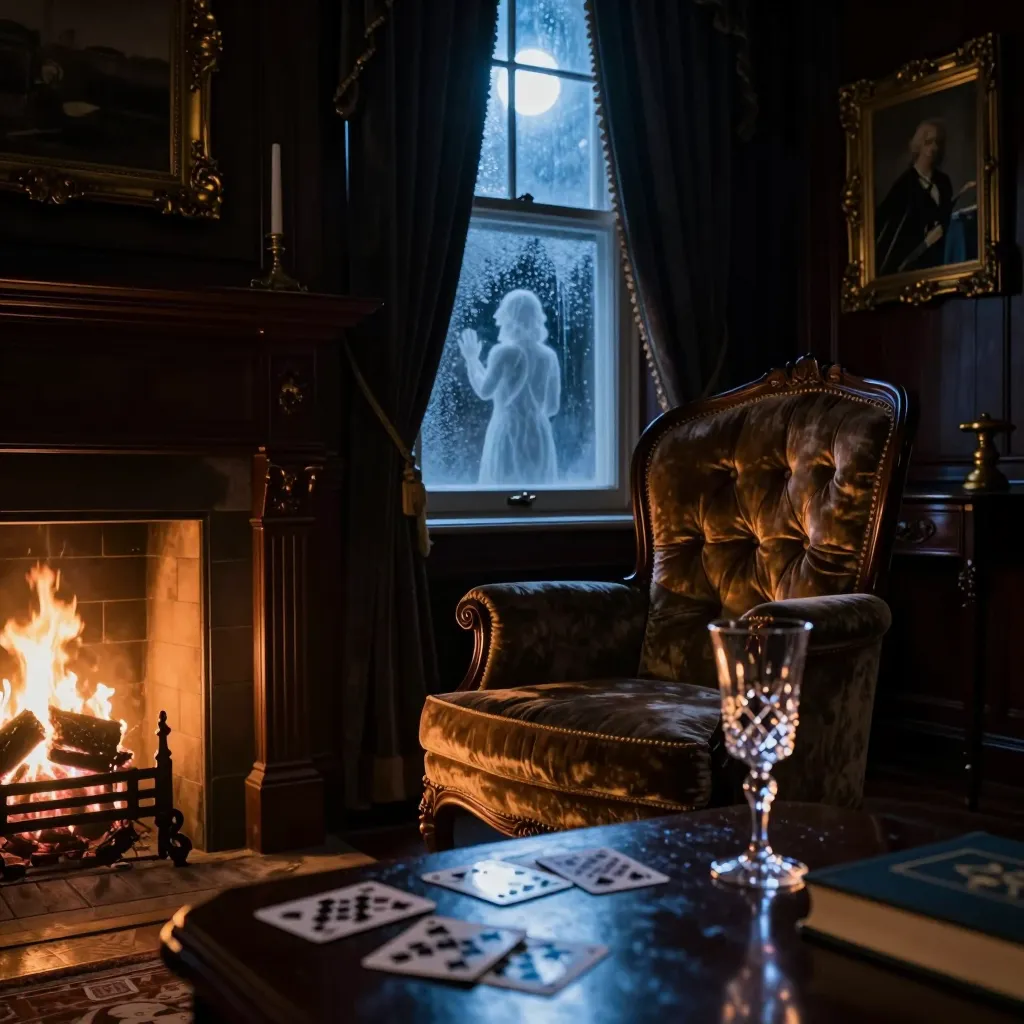
In the modern Western world, the supernatural is almost exclusively tethered to the frost and fog of late October. Yet, for centuries, a different tradition has persisted across the Atlantic: the telling of ghost stories during the deepest part of winter. [cite_start]While American audiences often find the appearance of the paranormal during the festive season to be a narrative anomaly, the English tradition suggests that Christmas has always been a time for the "strange and fantastic"[cite: 9, 11].
The Dickensian Influence and Ancient Roots
[cite_start]The most enduring link between the holidays and the macabre is Charles Dickens's 1843 classic, A Christmas Carol[cite: 4]. [cite_start]Subtitled "Being a Ghost Story of Christmas," the novella features four distinct apparitions and established the "ghost story of Christmas" as a literary staple[cite: 4, 6]. [cite_start]Dickens was a staunch proponent of the genre, frequently recalling his childhood spent sharing "Winter Stories" around a fire[cite: 5].
However, Dickens was not the inventor of this tradition; he was its preservationist. [cite_start]The practice of sharing eerie tales in winter predates the Victorian era, stretching back to Elizabethan times and earlier[cite: 9, 11]. [cite_start]William Shakespeare’s The Winter’s Tale—a story of apparent death and revival—alludes to the well-known custom of telling bizarre stories around a winter hearth[cite: 10, 11].
The Great Divide: Christmas vs. Halloween
[cite_start]The divergence between British and North American supernatural traditions is rooted in religious and cultural shifts of the 17th century[cite: 12].
- [cite_start]England: In the early 1600s, Halloween celebrations were largely supplanted by Guy Fawkes Night[cite: 13]. [cite_start]This Protestant fire festival, which occurs just days after Halloween, effectively pushed ghostly traditions further into the winter season, eventually settling into the Christmas holidays[cite: 13, 14].
- [cite_start]Scotland and Ireland: These regions maintained Halloween as the primary season for ghostly tales[cite: 12].
- [cite_start]North America: When Scottish and Irish colonists migrated to the United States and Canada, they brought their "pan-Celtic" Halloween traditions with them[cite: 14]. [cite_start]These celebrations eventually evolved from riotous, sometimes dangerous street events into the middle-class home parties where ghost story contests became common[cite: 15, 16, 17].
The Role of Modern Broadcasting
[cite_start]The persistence of the Christmas ghost story in England is largely due to the influence of broadcasting[cite: 19]. [cite_start]Since the BBC's inception in 1923, the network has prioritized supernatural programming during the holidays[cite: 19].
[cite_start]A significant cultural touchstone is the 1970s television series A Ghost Story for Christmas[cite: 21]. [cite_start]This program frequently adapted the works of M.R. James, an author who wrote his chilling tales specifically to be read aloud to friends and students as Christmas entertainment[cite: 21, 22]. [cite_start]This tradition continues today, with supernatural themes appearing in unexpected television dramas and festive specials, maintaining the link between Yuletide and the unexplained[cite: 20, 23].
[cite_start]While the United States remains the domain of Halloween horror, the English tradition serves as a reminder that the darkest days of the year have long been reserved for reflecting on the past and acknowledging the shadows that linger beyond the firelight[cite: 17, 23].