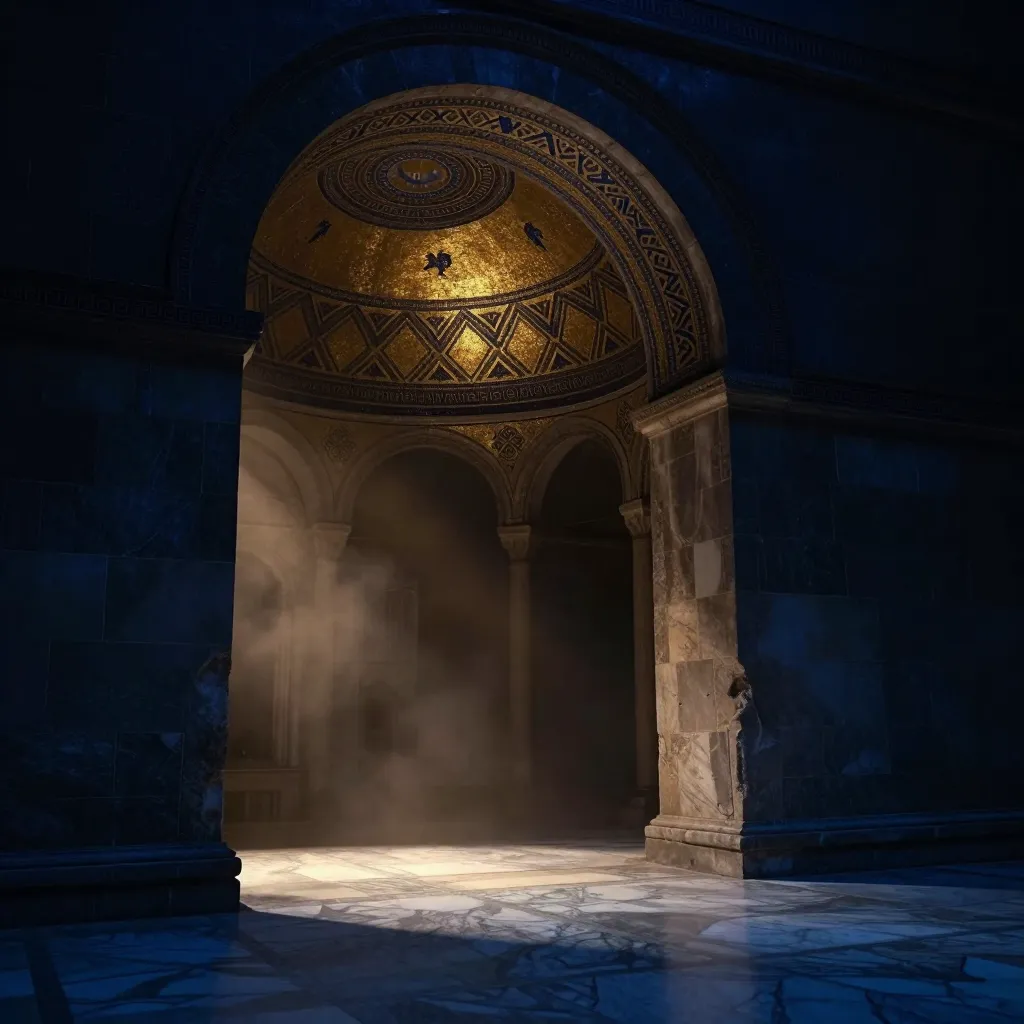
10 Thrilling Facts About the Byzantine Empire
The Byzantine Empire endured for over a millennium, shaping religion, law, and art while preserving the legacy of ancient Greece and Rome. This article reveals ten thrilling facts—from its legendary Greek fire to the fall of Constantinople—that will captivate anyone who loves dramatic true stories.
Shadows of Byzantium: Thrilling Tales from an Empire That Defied Oblivion
For over a millennium, from 330 to 1453 AD, the Byzantine Empire stood as a bastion of civilization amid chaos. Born from the ashes of Rome, it guarded ancient knowledge through the Dark Ages, fending off relentless invaders while weaving a tapestry of intrigue, innovation, and unyielding faith. Its story brims with prophetic visions, devastating weapons, and schisms that echo through time.
A Prophetic Founding Amid the Mists
The saga begins around 660 BC, when Byzas of Megara sought divine guidance from Apollo's oracle at Delphi. Overburdened Greece needed new lands, and the oracle's cryptic reply—"opposite the blind"—set him on a fateful voyage across the Aegean. Reaching the Bosphorus Strait, Byzas spotted Chalcedon, a settlement whose builders seemed sightless for ignoring the superior peninsula opposite. There, he established Byzantium, a name that would endure through sieges and rebirths.
Crossroads of Conquest and Trade
Nestled between the Black and Mediterranean Seas, Byzantium commanded vital trade routes bridging Europe and Asia. Its deep harbors teemed with fish and ships, drawing prosperity but also peril. Persians razed it in 590 BC, Spartans rebuilt it, and it endured clashes between Athens and Sparta, Alexander the Great's campaigns, and assaults by Scythians, Celts, and Romans. This cycle of ruin and revival forged its unassailable spirit.
Constantine's Vision Ignites a New Era
In 324 AD, Emperor Constantine the Great crushed rivals in the Tetrarchy's civil wars, emerging as Rome's first Christian ruler—though full conversion lingered beyond his reign. He championed Christianity's rise yet mourned a fractured church. His masterstroke: refounding Byzantium as Constantinople, a colossal city eclipsing prior imperial works in grandeur. This marked the Byzantine Empire's true dawn, blending Roman might with emerging faith.
Theodosius and the Irreversible Rift
Theodosius I, last sole emperor of a united Rome, divided his realm in 395 AD between sons Honorius (West, Rome) and Arcadius (East, Constantinople). The West faltered under barbarian pressures, while the East absorbed Greek influences, drifting from classical Roman roots. Religion amplified the divide: emerging theological rifts sowed seeds of permanent separation.
Justinian's Radiant yet Ruthless Zenith
Reigning from 527 to 565 AD, Justinian I codified imperial law in the enduring Corpus Juris Civilis, streamlining justice amid expansion. His architectural legacy peaks with Hagia Sophia, completed in 537 AD—a soaring marvel of domes and light that anchored Orthodox worship for centuries and still dominates Istanbul's skyline. Roads, aqueducts, bridges, and cultural patronage flourished, earning him sainthood in Eastern Orthodoxy despite debates.
Heraclius and the Greek Awakening
By 610 AD, under Emperor Heraclius, Greek culture fully eclipsed Latin remnants. Greek became the official tongue, mirroring the populace's heritage. Military tactics evoked ancient phalanxes of Athens and Sparta over Roman legions. Post-650 AD, Byzantium transformed into a Hellenic powerhouse, its identity reborn in philosophy, art, and resilience.
Greek Fire: The Infernal Naval Terror
Byzantine ships unleashed "Greek fire," a incendiary liquid sprayed via siphons that ignited on seawater, devouring foes in unquenchable flames. Likely naphtha-based with sulfur, pitch, and phosphides, its formula remained a guarded enigma. Rivals mimicked it, but its volatility doomed it by the 1400s—yet it symbolized Byzantium's edge in desperate sea battles.
Culinary Echoes of an Enduring Realm
Blending Greek and Roman traditions, Byzantine fare relied on local bounty: olive oil, cheese, figs, nuts, fruits, eggs, and honey as sweetener—sugar unknown. Bread dominated, with Constantinople's ovens yielding 80,000 loaves daily to avert unrest. Salted meats, fish, and garden vegetables sustained all classes. Fragments of recipes evoke Mediterranean aromas, piecing together a mosaic of daily life.
Europe's Unrivaled Economic Powerhouse
From 500 to 1200 AD, Byzantium eclipsed Europe in wealth, its network of ports, towns, and roads fueling trade, art, and science. Land reforms boosted production; homes centered Christian family life, while public baths and forums offered respite. This "Byzantine prosperity" outshone contemporaries, a beacon before the Renaissance.
The Great Schism: Faith's Unhealed Wound
Tensions between East and West erupted in 1054 AD's Great Schism. Disputes over icons, the Holy Spirit's nature, papal authority, and cultural divides—Greek mysticism versus Latin legalism—culminated when Pope Leo IX excommunicated Constantinople's Patriarch, met with retaliation. Birthing Eastern Orthodoxy, this fracture endures, severing Christendom and underscoring Byzantium's theological defiance.
Through prophecies, flames, and faith, Byzantium's legacy whispers of an empire that preserved the classical world against oblivion.