The Silent Bind: Inside the Dark World of Ancient Greco-Roman Curse Tablets
Uncover the chilling history of defixiones, the lead tablets used by ancient Greeks and Romans to command underworld spirits. From sabotaging chariot races to binding legal rivals, explore how these secret rituals offered a predatory edge in a zero-sum world of survival and superstition.
The Silent Bind: Ancient Lead Hexes and the Shadows of Rome
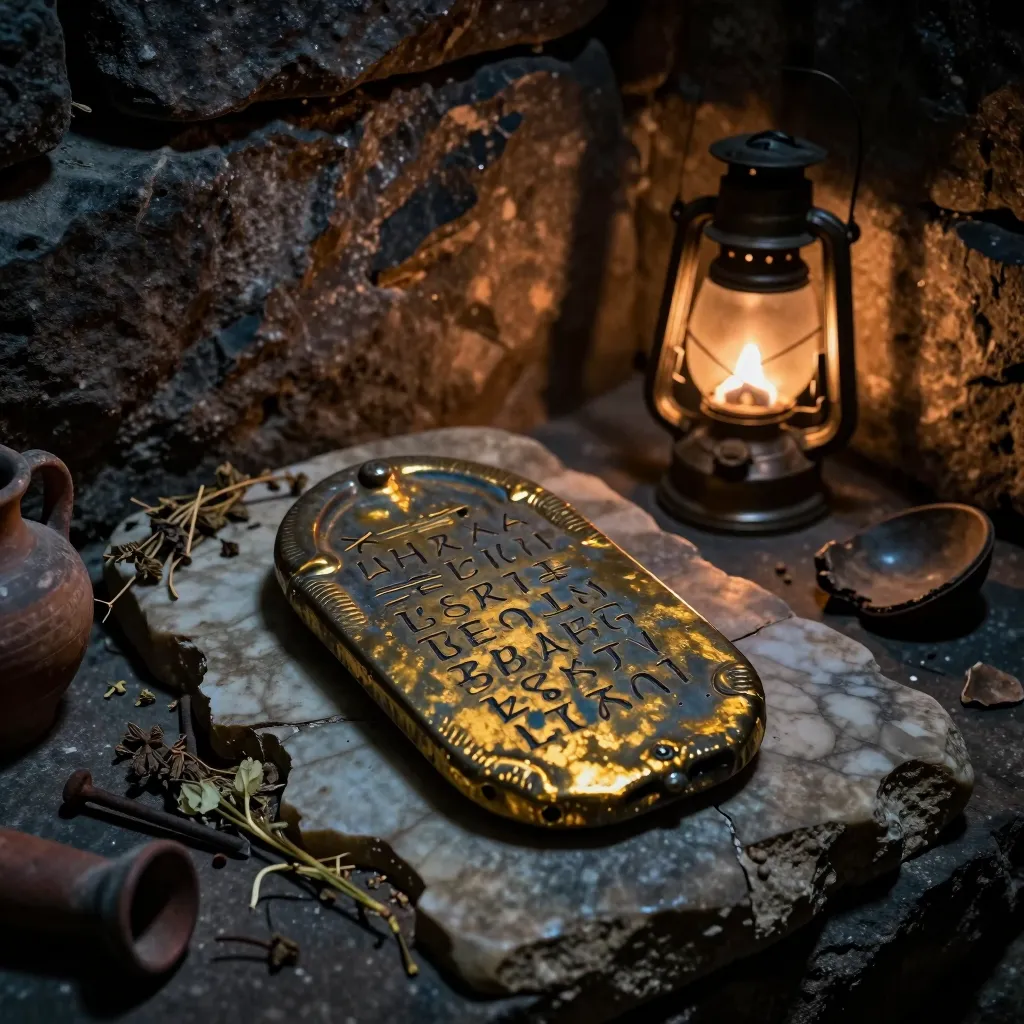
[cite_start]Deep within the cold earth of a Roman tomb, archaeologists uncovered a small, unassuming lead sheet[cite: 147]. [cite_start]Measuring just four by six inches, it was found tucked inside a funeral urn—not alongside a loved one’s treasured possessions, but amidst the ashes of a person who had suffered a violent, premature death[cite: 147]. [cite_start]Folded tight and pierced through with a heavy iron nail, the tablet contained a chilling plea to the underworld: a command to "shatter" a local charioteer named Eucherios[cite: 147, 148].
[cite_start]This was the dark reality of the defixiones—the curse tablets of the ancient Greco-Roman world[cite: 149, 155].
The Architecture of a Hex
[cite_start]For over a millennium, from 500 B.C. to A.D. 500, these handwritten hexes were a common, if secret, part of life across the Mediterranean and as far north as Roman Britain[cite: 153, 154]. [cite_start]While modern history often focuses on the grand temples and public prayers of the era, the curse tablets reveal a more predatory side of ancient spirituality[cite: 162].
[cite_start]The word defixiones literally means "to bind down" or "to fix"[cite: 155]. [cite_start]The ritual was visceral: a petitioner would scratch a target's name into a thin sheet of lead, often accompanied by a spoken incantation[cite: 155]. [cite_start]Over time, these grew into complex magical documents drafted by professional sorcerers, featuring nonsensical "magical words," eerie illustrations, and appeals to a variety of deities[cite: 156, 157].
The final step was the "binding" itself. [cite_start]The tablet was folded or rolled, then "nailed down" to a physical location[cite: 158, 159]. [cite_start]This act was symbolic, believed to physically restrain the victim’s soul or body through the power of the spell[cite: 160].
Fields of Battle: Sports, Law, and Lust
These tablets were not general prayers for bad luck; they were targeted strikes aimed at specific rivals in high-stakes arenas:
- [cite_start]The Chariot Track: Chariot racing was the premier spectator sport of the Roman Empire, sparking fanatical loyalty and frequent riots[cite: 172, 173]. [cite_start]To ensure a victory (and protect gambling interests), fans would bury tablets calling for rivals to "collapse," be "broken up," or have their horses "chopped into pieces"[cite: 148, 173].
- [cite_start]The Courtroom: In ancient Athens, legal battles were won through the power of speech[cite: 174]. [cite_start]To win a case, one might "bind" the tongue and soul of an opposing lawyer, burying a leaden plea to ensure their words were of "no account" before the judge[cite: 174].
- [cite_start]The Pursuit of Love: Romance-themed curses were rarely about mutual affection[cite: 175]. [cite_start]Instead, they were designed to "neutralize" competition or compel someone to become "subservient" and "obedient" to the caster's desires[cite: 175].
Tapping the Underworld
[cite_start]The placement of these tablets was as crucial as the writing[cite: 183]. [cite_start]Petitioners sought out "liminal" spaces—geographic borderlands between the living and the dead[cite: 184]. [cite_start]Bathhouses, wells, and especially the graves of the "restless dead" were favored[cite: 184, 185].
[cite_start]Those who died young or by the sword were believed to linger on Earth, capable of acting as messengers to Hecate, the goddess of the underworld[cite: 185, 186]. [cite_start]By placing a tablet in such a tomb, the curser hoped these wandering spirits would deliver the hex directly to the chthonic powers or even enforce the "binding" themselves[cite: 187].
A Zero-Sum Existence
[cite_start]To the ancients, these tablets were not mere superstition; they were tools for survival in a world viewed as a "zero-sum game"[cite: 166, 177]. [cite_start]The underlying philosophy was simple: for one person to succeed, another had to fail[cite: 168].
[cite_start]By "nailing down" a rival's talent, beauty, or luck, an ancient Roman believed they were creating the necessary space for their own triumph[cite: 168]. These leaden sheets, still being pulled from the mud and dust today, remain a haunting testament to the lengths people would go to gain an edge in the shadows of the ancient world.